
Betting Smarter Starts With the House Edge
Casinos make money because the maths is built into the games, not because of luck on a given night. If you want to understand casino house edge, you are really asking how much of every dollar the operator expects to keep over time. That is not a secret trick; it is the price of entertainment, and it changes depending on the game, the rules, and how you play. On the Gold Coast, where locals and visitors chase a good session between the surf and the tracks, knowing the edge is the difference between a fun arvo and a frustrating one. I have spent years building acquisition campaigns across LATAM, where we learned fast that a localisation-first message beats a glossy global promise every time, and the same blunt truth applies here: tell people what the maths actually does, and they stay longer. The edge is not your enemy if you treat it like a cost you can manage rather than a mystery you have to solve.
What the House Edge Actually Means
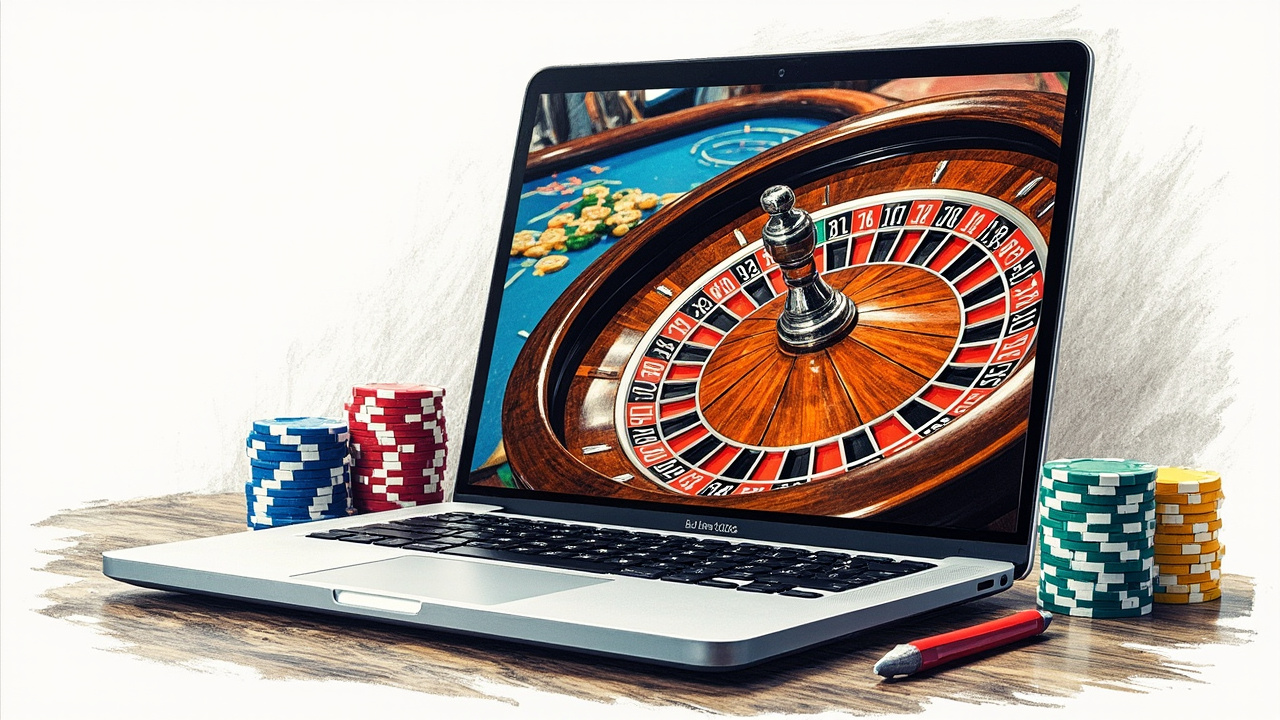
The house edge is the average percentage of each wager the operator expects to retain across thousands of spins, hands, or rolls. It is not a prediction for your session; it is a long-run expectation, which is why a short run can feel wildly different from the published figure. Blackjack played with perfect basic strategy carries a much lower edge than a penny slot with stacked features, and that gap matters more than most punters admit. Ella Jackson, Senior Market Analyst, Murray River Gaming Research, puts it plainly: the edge is a structural cost, not a personal failing, and players who confuse short-term variance with long-term expectation tend to overplay the games that cost them most. That is the sort of direct read we used when we rebuilt Easygo’s LATAM acquisition funnel around regional payment habits and local game , because clarity beats hype when people are spending their own money. If you want to understand casino house edge in plain terms, think of it as the built-in tilt the corporate portal that keeps the operator in business while you chase a good run. The maths does not care about your system, your lucky shirt, or the form guide you read on the way in.13milesfromcleveland.com Independentaustralia
How the Edge Changes Across Games
Not every game tilts the same way, and the differences are big enough to shape how you spend a night out. Classic table games with player decisions, like blackjack or baccarat, usually sit at the lower end of the edge scale when you stick to the basic strategy and avoid side bets that carry a much heavier toll. Roulette’s edge depends on the wheel layout, with the extra double-zero pocket pushing the figure higher than the single-zero version, which is why the rule set matters as much as the game name. Video slots are the loudest part of the floor and the hardest to read at a glance, because return-to-player figures are averages across a massive range of outcomes and volatility decides how bumpy your session feels. We learned the same lesson running regional campaigns where a one-size bonus never landed right; you have to match the offer to the actual product people play, not the banner you wish they would click. On the Gold Coast, where a Boxing Day Test can run late and a Melbourne Cup day pulls a crowd that wants quick action, the game choice often comes down to pace and budget, not just the advertised theme. If you are trying to understand casino house edge across different products, start with the rules and the side bets before you look at the graphics or the jackpot ticker.
Where the Edge Meets Money and Limits
The edge is one thing; the way your money moves in and out is another, and the two interact more than most players realise. A cashier that feels straightforward can still throw up currency conversion, processing windows, and verification steps that change how a session actually plays out, especially if you are moving between AUD and another currency or using a method that runs a few extra checks. Deposits and withdrawals are not the edge itself, but they shape the practical cost of play, because a slow payout or a tight limit can turn a manageable session into a frustrating one even when the maths was fair. High-roller credit and junket operations carry significant default and money-laundering risks, which is exactly why responsible operators keep tighter controls on credit, identity checks, and transaction monitoring rather than chasing the biggest spender in the room. When we localised Easygo’s payment flow for LATAM markets, we found that a clear currency path and a predictable verification step reduced support noise far more than a bigger bonus ever did, and that same blunt logic applies here: the smoother the cashier, the less the edge gets masked by friction. If you want to understand casino house edge without losing the plot on the money side, treat the cashier like part of the game’s real cost, not an afterthought. Processing times, limits, and verification are not glamorous, but they decide whether your bankroll actually lasts as long as the maths suggests it should.Zdnet
Reading the Edge Without the Spin
You do not need a maths degree to use the edge sensibly; you need a habit of checking the rules, the side bets, and the return information before you commit a bankroll to a game. A defo useful move is to compare the same game across different rule sets, because a small rule change can shift the edge enough to matter over a long session, and side bets almost always carry a heavier tilt than the main game. Volatility is the other piece people skip, because a lower edge on a high-volatility slot can still burn through a bankroll fast if the payouts are irregular, while a steadier game with a slightly higher edge can feel easier to manage. No worries, you do not have to memorise every figure; you just need to know which games give you decisions that matter and which ones are pure chance with a fixed tilt. The regional voice I bring from WA is simple: say what the product does, flag the real costs, and let the player decide, because a blunt message travels better than a polished one when money is on the table. If you are serious about learning to understand casino house edge, spend more time on the rule sheet and the return info than on the bonus banner, because the maths is what stays with you after the lights go down.
The edge is not a trap; it is a cost you can see, compare, and plan around if you are willing to read the rules instead of chasing a feeling. Pick the games where your decisions actually matter, skip the side bets that carry the heaviest tilt, and keep the cashier as clear as the game choice, because a smooth flow and a fair expectation are the only things that make a session worth repeating. Play for the entertainment, track the real cost, and walk away while the bankroll still has room, because the maths does not care how the night started.